Our Services
Retaining Walls & Concrete Masonry
Stop soil erosion, reclaim sloped land, and add structure to your property with a retaining wall built to hold its ground for decades.
(956) 955-8166 — Free Quote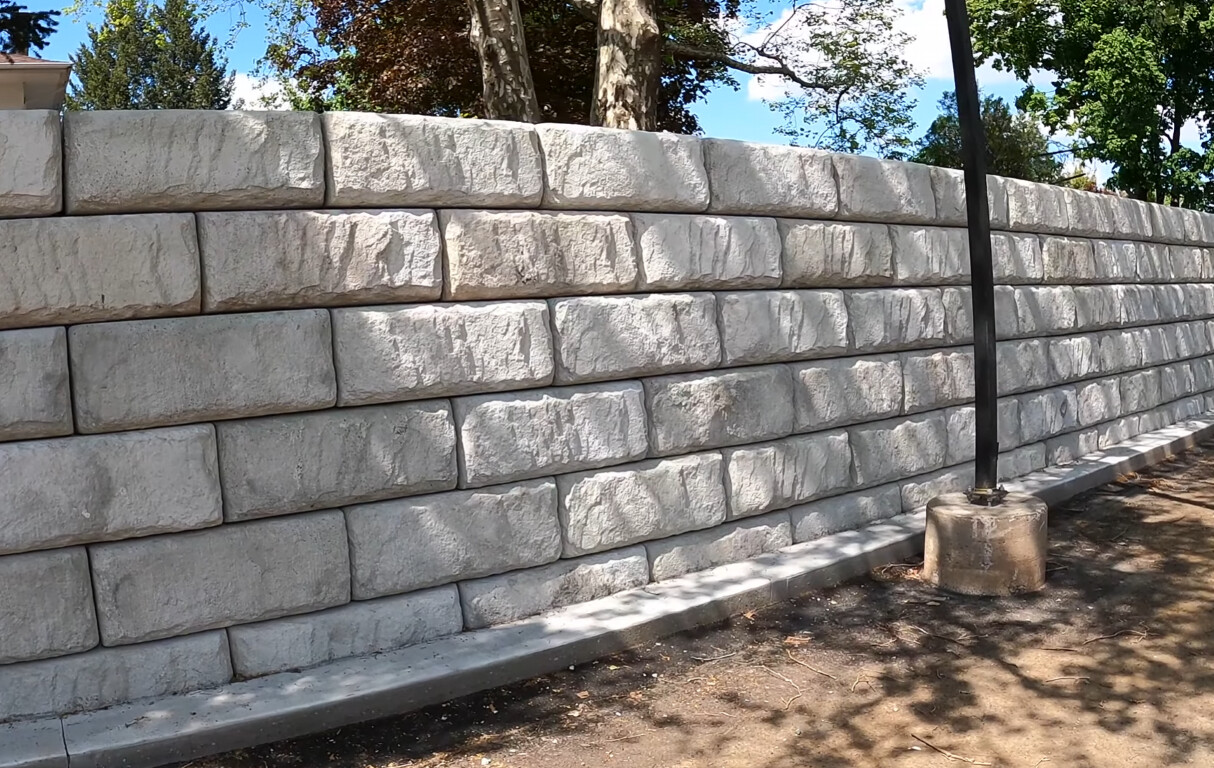
When Your Property Needs a Retaining Wall
A retaining wall does one job: it holds back soil. But the reasons you might need one vary quite a bit. Some properties have natural slopes that cause erosion every time it rains. Others have had grading work done that created a sharp drop between two levels of the yard. In some cases, a wall is needed to protect a driveway, foundation, or structure from soil movement and water pressure from above.
In Laredo, heavy rain events combined with the clay-rich soil create real erosion and pressure problems on sloped properties. When that soil has nowhere to go, it pushes laterally against whatever is in its way. A properly built retaining wall channels that pressure safely into the ground through the wall's footing and drainage system, so your yard, your driveway, and your home stay protected.
Beyond the functional side, a concrete retaining wall also creates usable, level yard space where a slope used to be. That extra flat area can become a planting bed, an outdoor living space, or simply a cleaner, more organized look for your property. If that new level area calls for a concrete surface, we can add a concrete patio right alongside the wall as part of the same project.
Retaining Wall Types We Build
Not all retaining walls are the same. The right type depends on how much soil you need to hold back, the height of the wall, and whether you want it to blend into the landscape or be a visible feature of your property. Here is what we build:
- Poured concrete walls: the strongest option for taller walls and heavy soil loads
- Concrete block and CMU walls: versatile, clean-looking, and cost-effective for most residential heights
- Segmental retaining wall systems using interlocking concrete blocks
- Decorative masonry walls that serve a structural purpose while adding visual character
- Low garden walls and border walls for landscaping and yard definition
- Commercial retaining walls for site development and grading projects
For taller walls or commercial applications, we also handle the engineering coordination required to ensure the wall is designed to handle the specific load it will face. We do not guess at wall thickness or footing depth — we calculate it based on what your site actually requires. If your project also involves large-scale grading and flatwork, our commercial concrete services can cover the full scope.
What Makes a Retaining Wall Actually Hold
The reason most retaining walls fail is not the wall itself. It is poor drainage behind the wall. When water builds up in the soil behind a wall, the hydrostatic pressure that builds up can push even a well-built wall off its footing. Every retaining wall we build includes a proper drainage system behind it so water has somewhere to escape.
We install gravel backfill and perforated drain pipe behind the wall to move water away from the base. We set the footing below the frost line or at a depth appropriate for Laredo's soil and climate conditions. For taller walls, we tie the structure back into the hillside using deadman anchors or batter (backward lean) built into the wall geometry.
When the wall goes in right, it looks solid, sits plumb, and holds its position year after year without shifting, cracking, or bowing. Every job we do in Laredo is built to last in the local climate, not just to look good on the day of installation. The same commitment to foundation quality we bring to our residential and commercial concrete work applies to every retaining wall we build.
Retaining Wall Questions We Hear Often
Have a question about your specific situation? Call us at (956) 955-8166 and we will walk you through what makes sense for your property.
How tall can a retaining wall be without special engineering?+
My existing retaining wall is cracking and leaning. Can it be repaired?+
How long does a concrete retaining wall last?+
Let us take a look at your property and give you a straight quote. Contact Laredo Concrete Company today.
Call (956) 955-8166